Important events for seabirds in Hobart and Nairobi
The 4th World Seabird Conference took place in Hobart last month, a meeting held only once every 5 years. During the same week, BirdLife’s Global Partnership Meeting, held every 4 years, and the


The 4th World Seabird Conference took place in Hobart last month, a meeting held only once every 5 years. During the same week, BirdLife’s Global Partnership Meeting, held every 4 years, and the
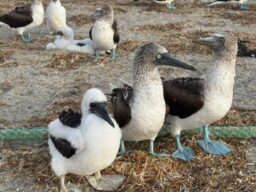
In June, experts from across the Humboldt Current region met in Valparaíso, Chile, to review, discuss, and validate the latest findings from An evidence-based approach to targeted action to tackle seabird bycatch in
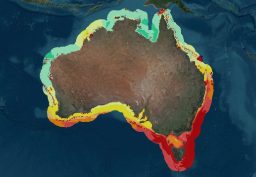
BirdLife International and BirdLife Australia launched our Avian Sensitivity Tool for Energy Planning (AVISTEP) at the Australasian Ornithological Conference in Boorloo/Perth. Today, AVISTEP was launched in Australia, providing government planners and the
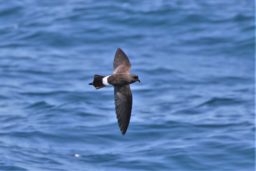
BirdLife International are leading a project to support efforts to delineate marine Key Biodiversity Areas (KBAs) in the Lord Howe Rise and South Tasman Sea region. What are KBAs? KBAs are sites
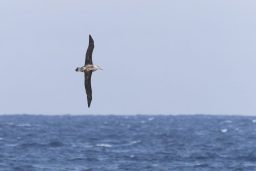

June 19th marks World Albatross Day, a day dedicated to raising awareness of the plights faced by these ocean wanderers. This is the sixth World Albatross Day, which occurs on the anniversary
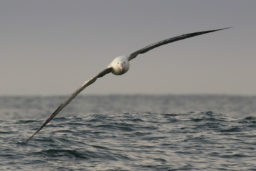
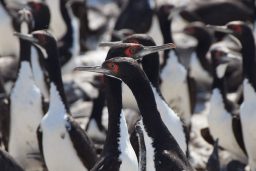
The BirdLife team are collating seabird tracking data for the Humboldt Current region and adjacent High Seas to assess fisheries bycatch risk as part of an ambitious collaborative project with Global Fishing
Seabird species all over the world, especially tube-nosed birds like albatrosses and petrels, are at risk when they interact with fisheries. Attracted to fishing vessels by the prospect of food, seabirds frequently get
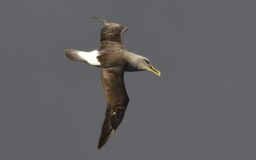
World Albatross Day is celebrated on the 19th of June to raise awareness of the conservation crisis albatrosses face. This date marks the signing of the Agreement on the Conservation of Albatrosses
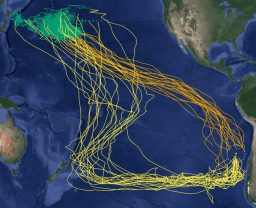
Studies of bird migration continue to deliver amazing narratives. This is as true of seabirds as of landbirds crossing the Sahara or the high Himalayas. Witness a recent study reporting the 55,000 km
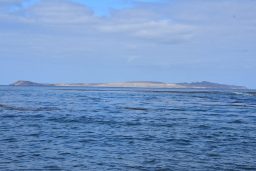
Targets and goals to mitigate the potentially negative consequences of anthropogenic pressures on marine ecosystems are proposed by international policy frameworks, such as the Convention on Biological Diversity (CBD), and the United Nations