
The 4th World Seabird Conference took place in Hobart last month, a meeting held only once every 5 years. During the same week, BirdLife’s Global Partnership Meeting, held every 4 years, and the 2nd Global Flyways Summit took place in Nairobi. With our team split between Australia, Kenya and holding down the fort at home, this week had been marked in our calendars for a long time.
I was lucky enough to travel to Tasmania, where I saw lots of thought-provoking seabird science and conservation presentations and talked with many inspiring seabirders. But the conference also illustrated the scale and complexity of the challenges facing seabirds, and how seabird tracking data can guide action.
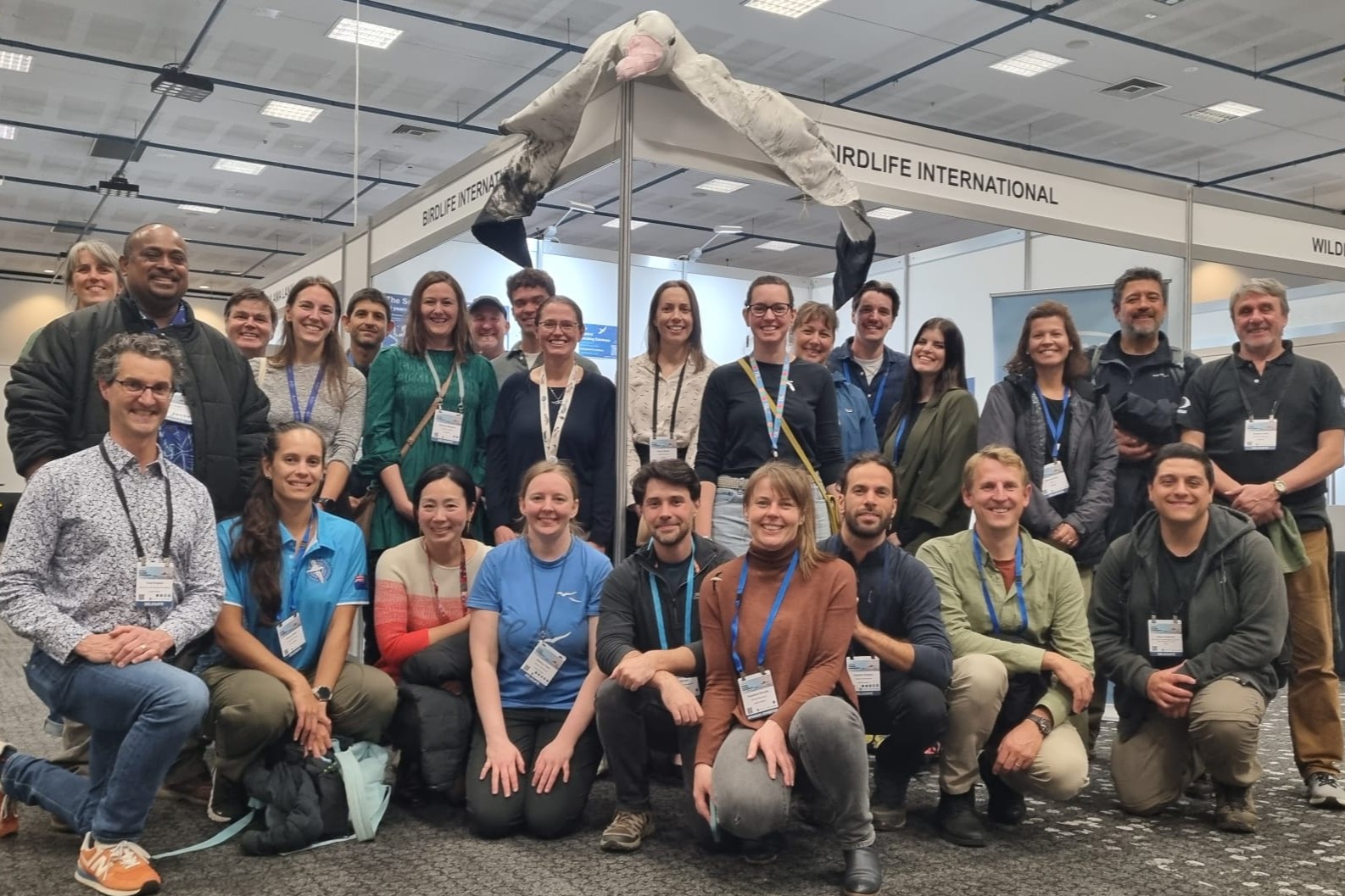
BirdLife Partnership meet-up at the World Seabird Conference
Esteban Frere gave an overview of the BirdLife International Marine Programme’s work over the last 20 years. Here, I will highlight just a few talks from our team, as there is far too much to cover in one article!
Bycatch is the biggest threat to seabirds at sea and a clear priority for BirdLife and RSPB. Ana Carneiro showed how tracking both seabirds and fishing vessels in the Humboldt Current can provide the evidence to target action where it is most needed. Helen Wade explained how 20 years of evidence-based engagement with Regional Fisheries Management Organisations has strengthen attention to seabird bycatch and promoted more effective mitigation and monitoring measures, but many challenges remain. Yann Rouxel explained how new levers for conservation are coming from the seafood supply chain and certification. Antonio Vulcano led the bycatch mitigation workshop focused on practical solutions, including talks from James Nagan on port-based outreach and Cristián Suazo on mitigation in trawl and purse seine fisheries.
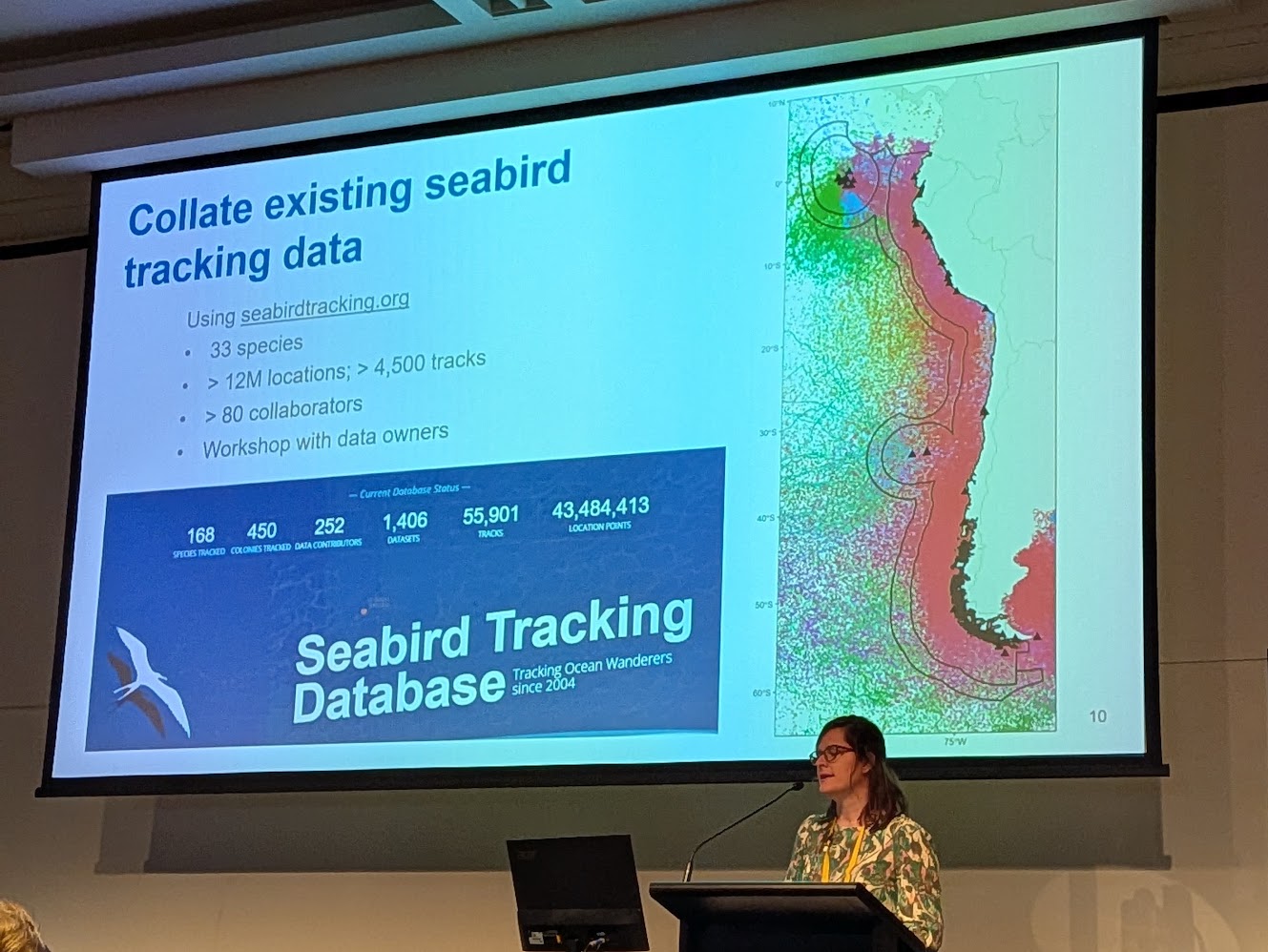
Ana Carneiro presenting in the Bycatch Mitigation symposium
Other key threats discussed included invasive species, climate change, offshore wind energy and disease. I presented our work with BirdLife Australia mapping avian sensitivity to offshore wind energy (incorporating tracking data shared by many researchers, including those attending the WSC, along with a host of other layers). Warning signs at the airport brought home the spread of Highly Pathogenic Avian Influenza, but the conference showcased an incredible response from those pivoting their plans to understand this new challenge.
Seabird tracking provides a vital way to identify and protect Key Biodiversity Areas beyond national jurisdiction, as Steph Borrelle explained in her talk about the global importance of the Lord Howe Rise & South Tasman Sea. I presented results from our project with Ascension Island Government, showing how tracking seabirds reveals connectivity between marine protected areas and the high seas, and overlap with fishing activity. And in the hybrid session, Jo Morten explained how we can use the marine flyways (identified using tracking data for migrating seabirds) to accelerate ocean conservation.
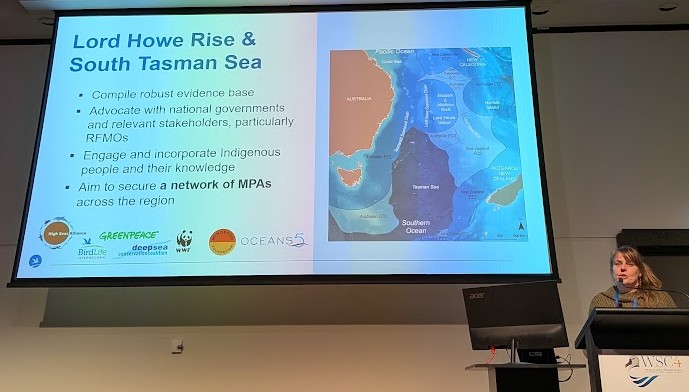
Steph Borrelle presenting in the High Seas MPAs and tracking symposium
Meanwhile in Nairobi, over 100 BirdLife Partners met to reconnect, be inspired and explore shared challenges. Marine highlights included a session on the High Seas Treaty covering BirdLife’s tools and experience with informing area-based management of the high seas through seabird data, Key Biodiversity Areas, and advocacy at regional fisheries management organisations. More broadly, the latest State of the World’s Birds publication was launched, with this edition focusing on migratory birds and their flyways, and what they reveal about the state of nature, the drivers of biodiversity loss, and the solutions needed to reverse declines.
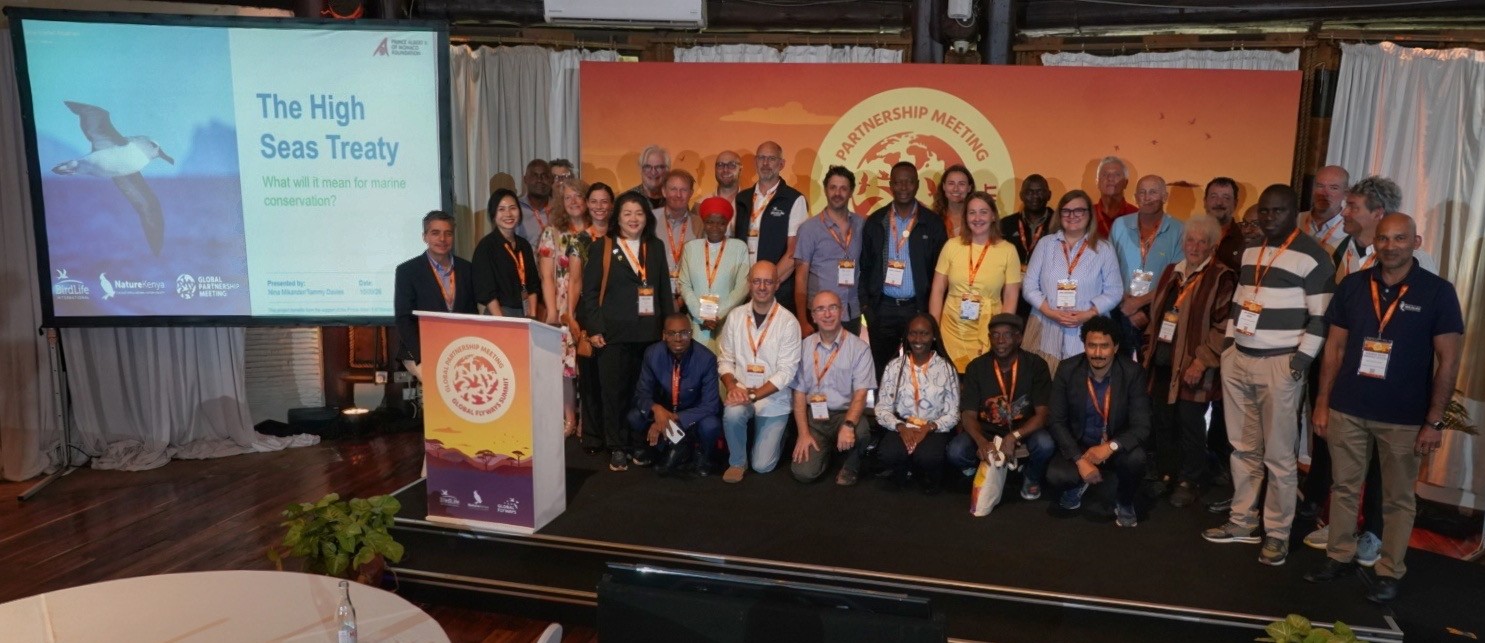
High Seas Treaty session in Nairobi
Both meetings highlighted how cooperation is vital for seabird conservation. I was able to thank some of you in person, but I also want to extend a massive thank you to everyone who has contributed to our conservation projects and uploaded to the Seabird Tracking Database over the past 20 years. Your collaboration has been invaluable, so please keep the data coming!
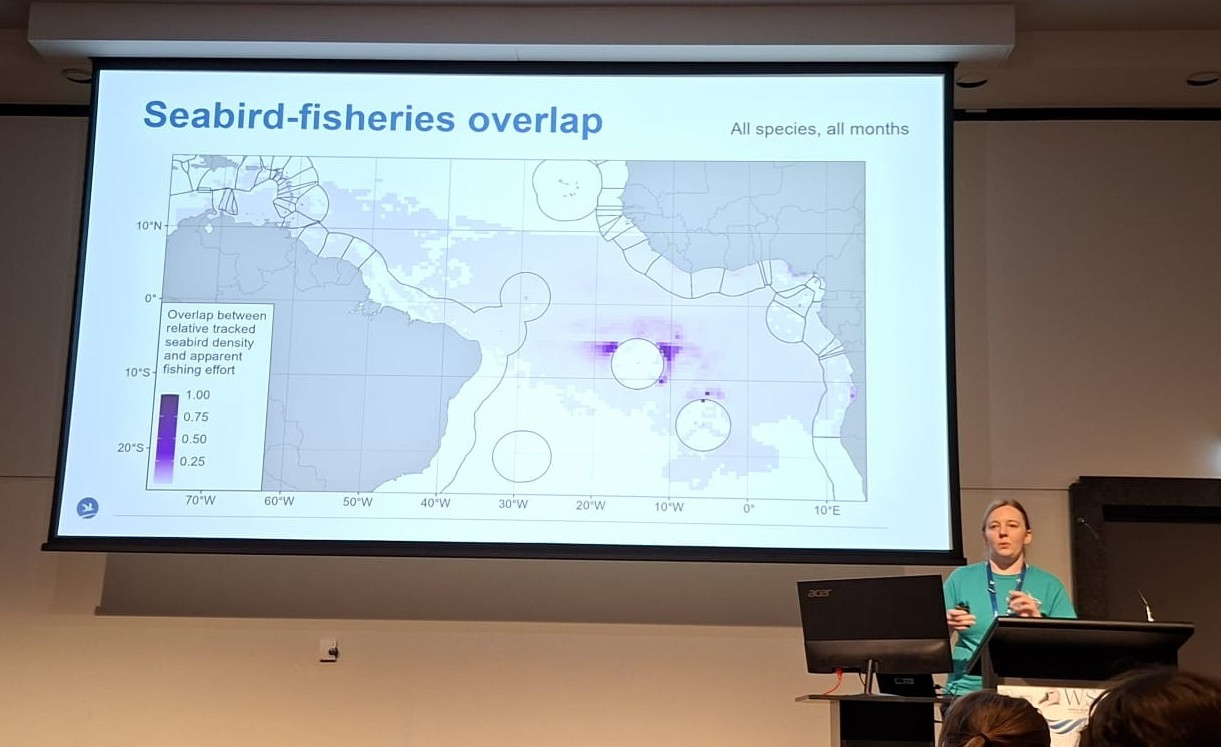
Beth Clark presenting in the High Seas MPAs and tracking symposium
Many thanks to the organisers and sponsors of both events, and the UK Government Biodiversity Challenges Fund, Darwin Plus Initiative (Protecting Seabirds Across Borders), for funding my World Seabird Conference attendance.