
In June, experts from across the Humboldt Current region met in Valparaíso, Chile, to review, discuss, and validate the latest findings from An evidence-based approach to targeted action to tackle seabird bycatch in the Humboldt Current. The workshop brought together fisheries scientists, seabird researchers, conservation organisations, and project partners to help refine the analyses and ensure that the results reflect realities on the water.
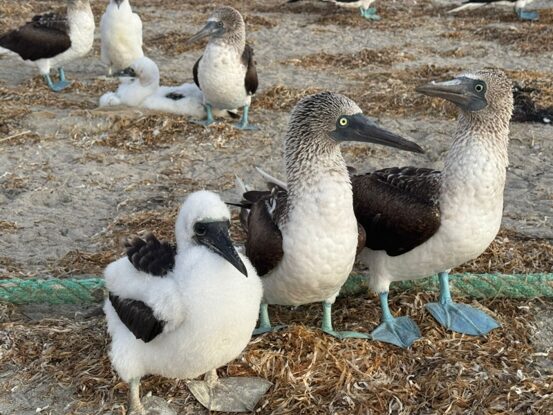
The Humboldt Current is one of the world’s most productive marine ecosystems, supporting globally important fisheries as well as millions of seabirds. However, interactions between fishing vessels and seabirds can lead mortality of birds in fishing gear, which remains a major conservation challenge across the region.
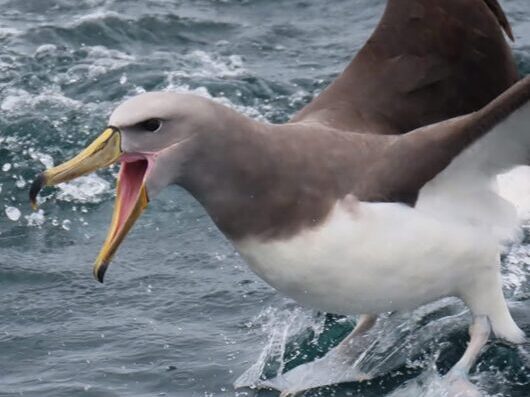
Chatham Albatross (c) Javier Quinones
Until now, efforts to prioritise conservation action in Humboldt Current fisheries have largely relied on broad-scale information, national initiatives, studies focusing on individual species or fisheries, and expert-based assessments. While important progress has been made in developing regulations, monitoring programmes, and frameworks to reduce bycatch at both national and international levels, effective implementation and enforcement remain challenging.
Recent advances in fisheries monitoring and seabird tracking now offer new opportunities to better understand where and when bycatch risks are highest. Through this project, we are combining fisheries data with seabird tracking information from the Seabird Tracking Database to identify priority areas for conservation action across the Humboldt Current and adjacent high seas.
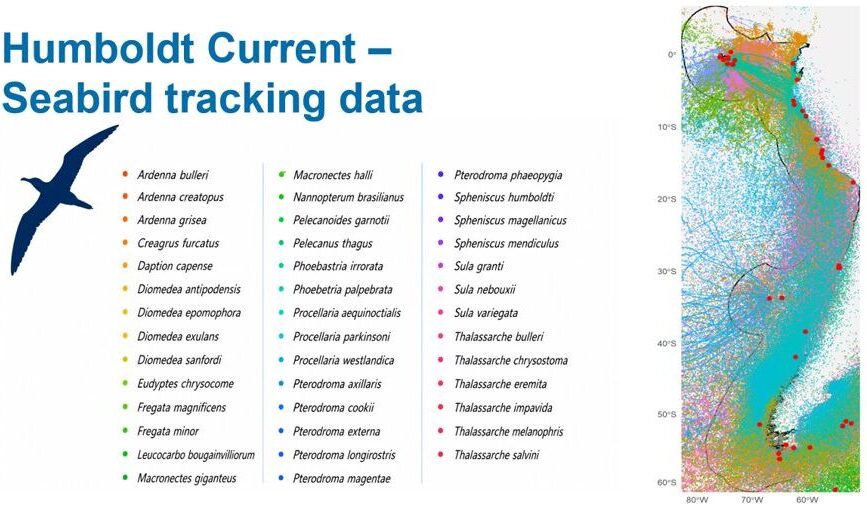
The workshop in Valparaíso was the second held as part of the project. During the first workshop, participants reviewed the availability of fisheries and seabird data across the region and identified key knowledge gaps.
The main objective of this second workshop was to review the classification of the main fisheries in Chile and Peru, and identify improvements in the interpretation of automatic identification system (AIS) and vessel monitoring system (VMS) data used in analyses of overlap between seabirds and fisheries.
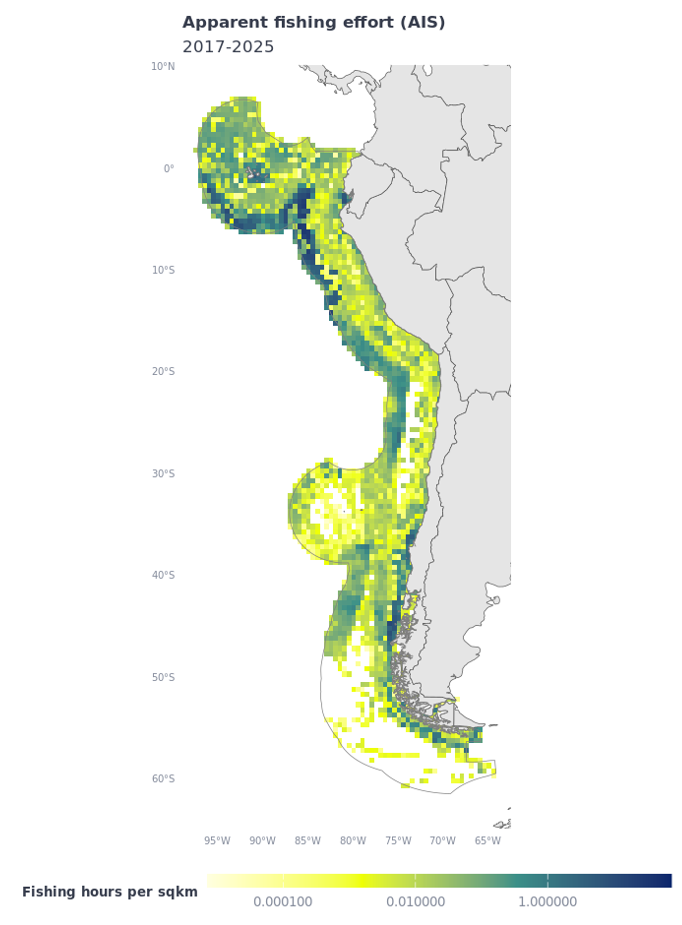
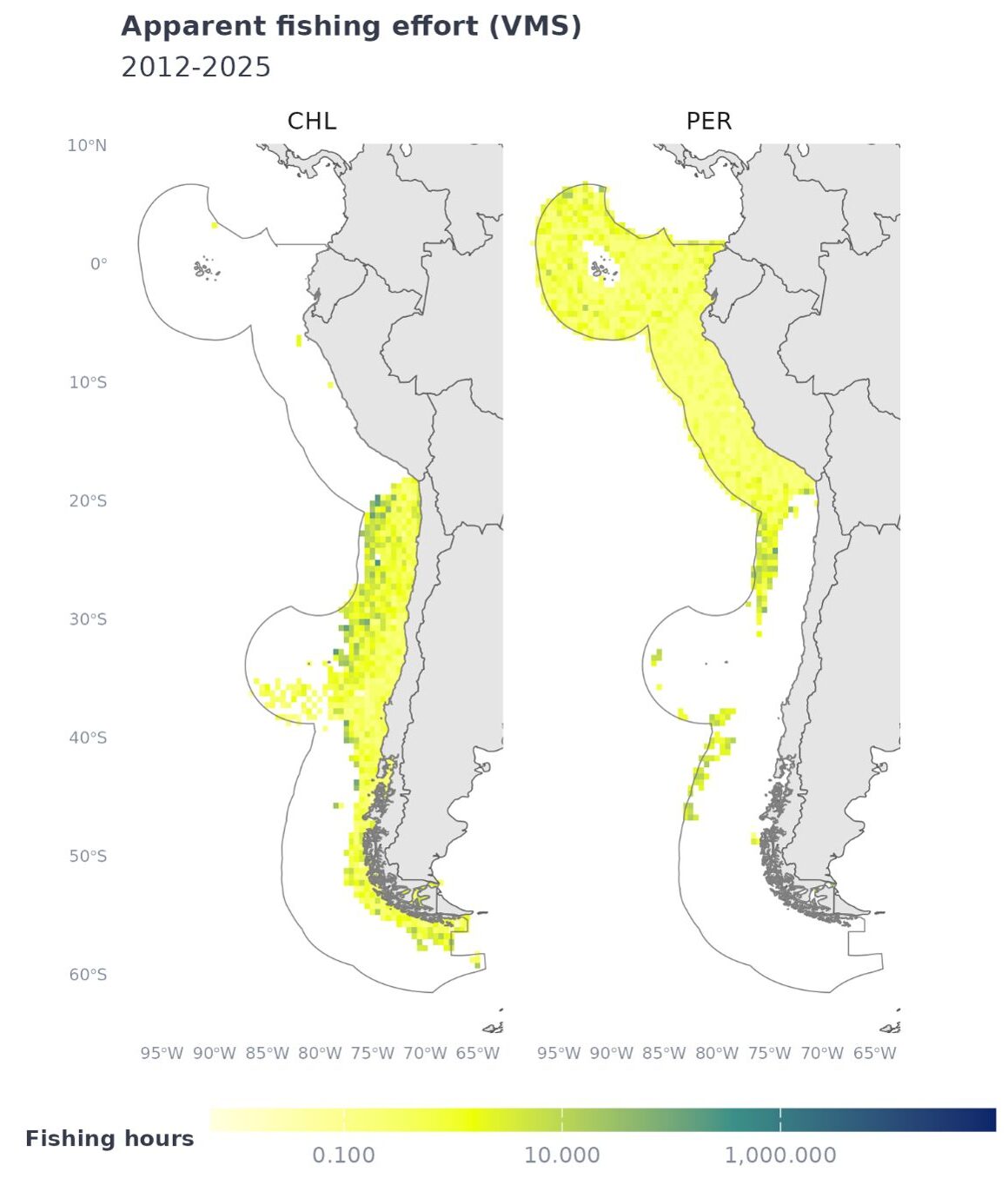
In particular, participants worked together to refine the classification of fishing gear types within these datasets. A large proportion of fishing activity is currently classified either as “multi-gear” or without any gear type information, making it difficult to accurately assess interactions with seabirds. This distinction is important because the risk posed to seabirds varies considerably depending on the type of fishing gear being used. Improving these classifications will therefore help generate more robust estimates of bycatch risk and better inform conservation and management actions.
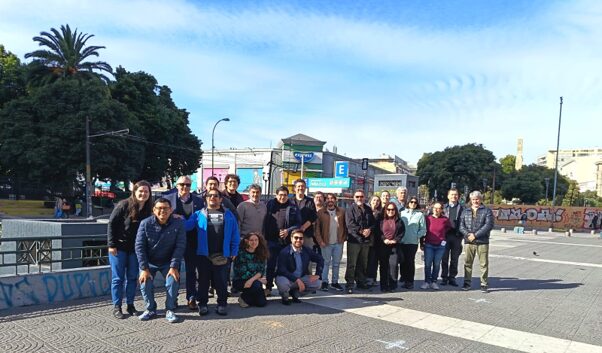
The workshop was attended by 23 participants from Chilean institutions including the Instituto de Fomento Pesquero (IFOP), Servicio Nacional de Pesca y Acuicultura (SERNAPESCA), and Subsecretaría de Pesca y Acuicultura (SUBPESCA); Peruvian institutions including the Instituto del Mar del Perú (IMARPE) and the Universidad Científica del Sur; as well as our Chilean partner, the Red de Observadores de Aves y Vida Silvestre de Chile (ROC).