

BirdLife International is launching a new project that seeks to inform the Biodiversity Beyond National Jurisdiction (BBNJ) Treaty by identifying Key Biodiversity Areas (KBAs) for seabirds in the High Seas.
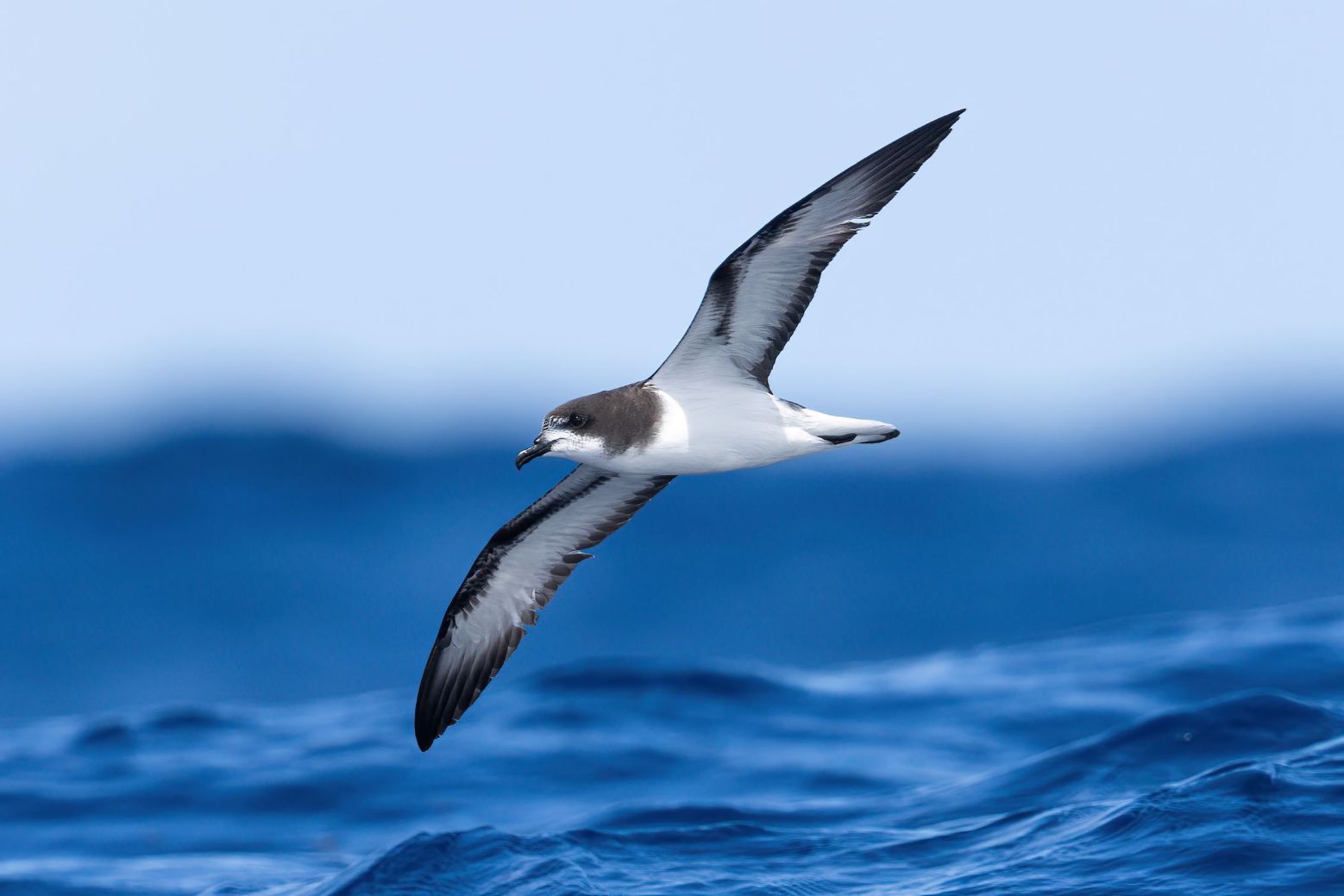
White-winged Petrel (Pterodroma leucoptera) by John J Harrison
The High Seas
This project comes at a pivotal moment for global marine conservation. The BBNJ Agreement, also known as the High Seas Treaty, came into force earlier this year following more than 20 years of negotiations. For the first time in history, area-based management tools like Marine Protected Areas (MPAs) can be created in all waters beyond the Exclusive Economic Zones of sovereign nations. Further, human activities in these waters will be subject to environmental impact assessments to minimise any harmful effects on marine biodiversity.
The High Seas make up 64% of the global oceans and 45% of the entire Earth’s surface. Enabling management in these waters will help nations meet international targets, such as the global initiative to protect 30% of the world’s oceans by 2030. However, it is important that any new area-based management tools, including MPAs, are established in the places that will deliver the greatest benefits for marine biodiversity, and that they offer meaningful restrictions on human activities.
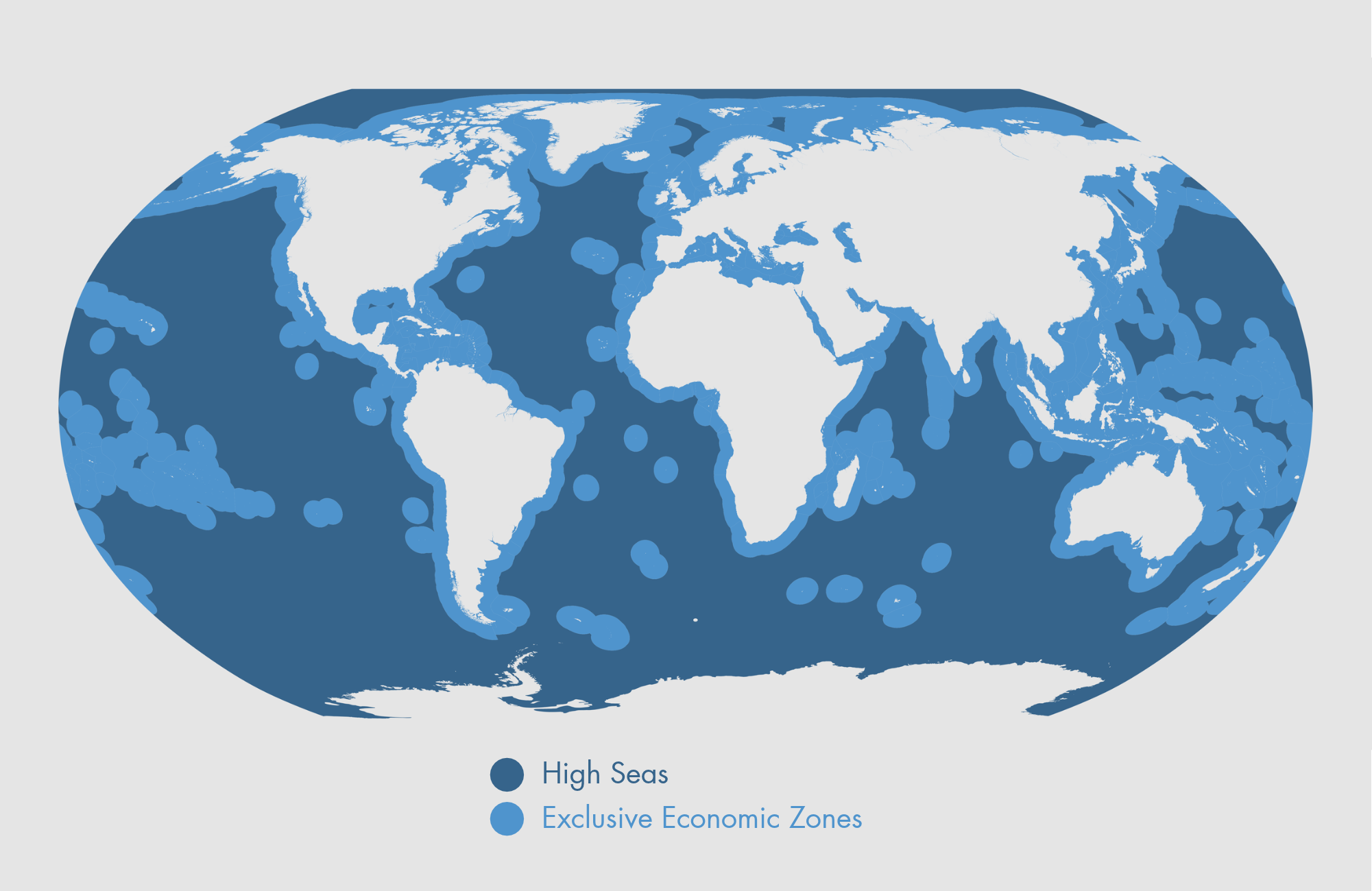
Map showing the global distribution of the High Seas (dark blue), which lie beyond the Exclusive Economic Zones of coastal nations (light blue).
Seabird KBAs
KBAs are sites that contribute to the global persistence of biodiversity and can guide conservation efforts to where they can have the most benefit for biodiversity. They are identified using robust criteria that can apply to any species, and BirdLife International has led the development of established methods to delineate marine KBAs for seabirds. 4,338 KBAs for seabirds have already been identified, including breeding colonies and at-sea aggregations, 197 of which are in the High Seas. However, most High Seas KBAs were identified using data collected before 2012, and the substantial increase in available tracking data since then provides an opportunity to update the KBA network in this underrepresented domain.
Importantly, KBAs identified for seabirds in the High Seas will also offer important habitat for a range of animals, as these areas are likely to be used by other species because of their high productivity and abundant prey. So, by protecting important seabird areas, the wider ecosystem can also benefit from regulation. Many seabirds breed on land where they are easily studied, but spend large proportions of their annual cycle in the High Seas, making them ideal indicators for informing management decisions under the BBNJ Agreement.
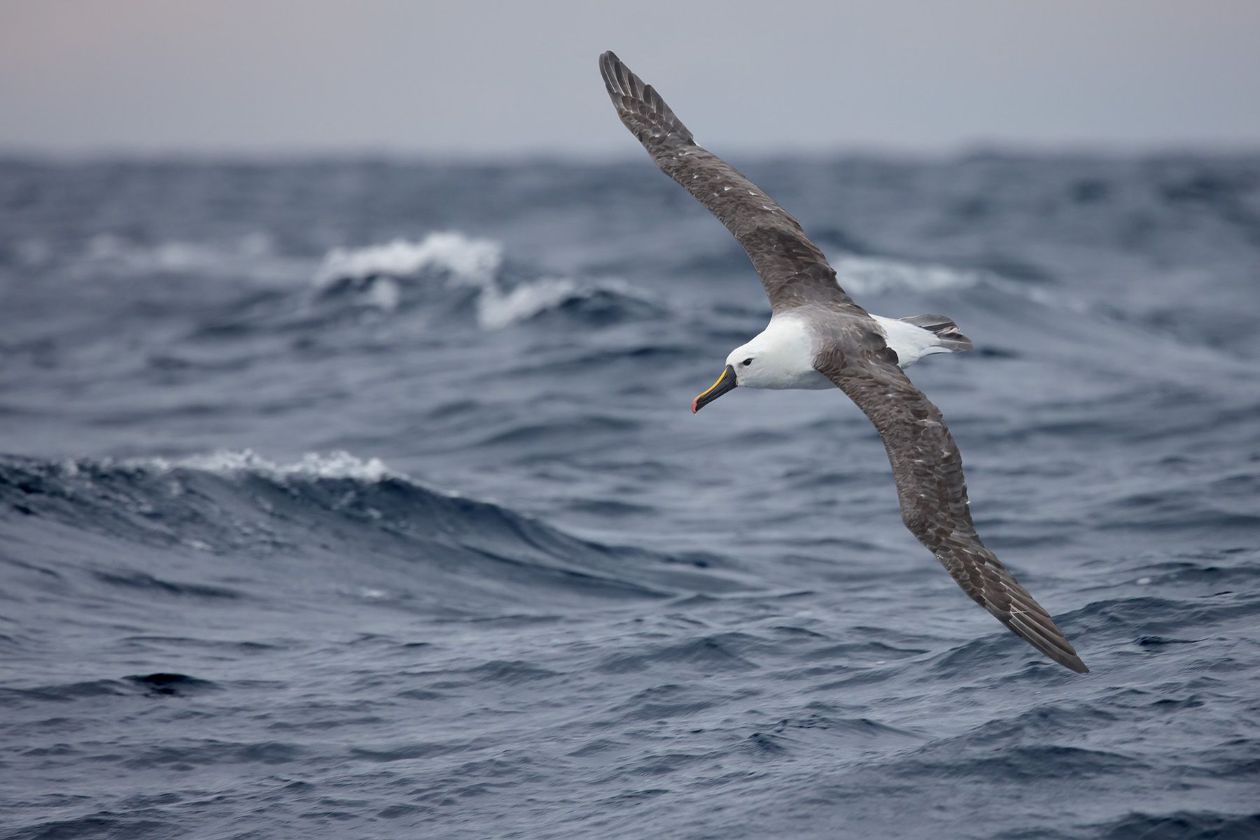
Indian Yellow-nosed Albatross (Thalassarche carteri) by Leo Berzins
Invitation to Collaborate
BirdLife International’s previous collaborative work to identify KBAs in the High Seas has contributed to the now designated North Atlantic Current and Evlanov Sea basin MPA. Both that project and the ongoing work to identify KBAs in the Lord Howe Rise and South Tasman Sea have only been possible thanks to the generous provision of seabird tracking data from the research community.
If you have tracking data from seabirds that use the High Seas, we encourage you to contribute these data to ensure we identify an ecologically coherent network of sites. A larger sample size also helps to confidently identify KBAs, as the data are then more representative of the entire population. So, if you have previously uploaded data to the Seabird Tracking Database but have since collected more data from that same colony, we encourage you to submit any additional data as well.
Any sites that meet the KBA criteria will be proposed to the World Database of Key Biodiversity Areas. We will also publish the results in a scientific journal, and any contributors of data used to identify High Seas KBAs will be invited to co-author on this work, in recognition of the time and effort invested in collecting tracking data.
To upload your data to the Seabird Tracking Database, simply follow the instructions provided by the database. If you have any further questions regarding data uploads, please email seabirds@birdlife.org. If you cannot upload your dataset but would still like to contribute data to this project, please email joshua.wilson@birdlife.org. We ask that any data are uploaded by the 4th December 2026. Unfortunately, any data uploaded after this date will not be possible to consider for this project, but we still encourage data submissions beyond this date for future work.