
June 19th marks the anniversary of the signing of ACAP (Agreement on the Conservation of Albatrosses and Petrels), a multilateral environmental agreement that seeks to conserve the 31 listed species (all 22 albatrosses, both giant petrels, all five Procellaria petrels, and two shearwater species). The agreement was open to signatures in 2001 and came into force in 2004. In the decades since, ACAP, BirdLife International and many others have been working hard to find and implement solutions to the multitude of threats faced by the listed species. To raise awareness of the conservation crises still facing these ocean wanderers, World Albatross Day was inaugurated in 2020.
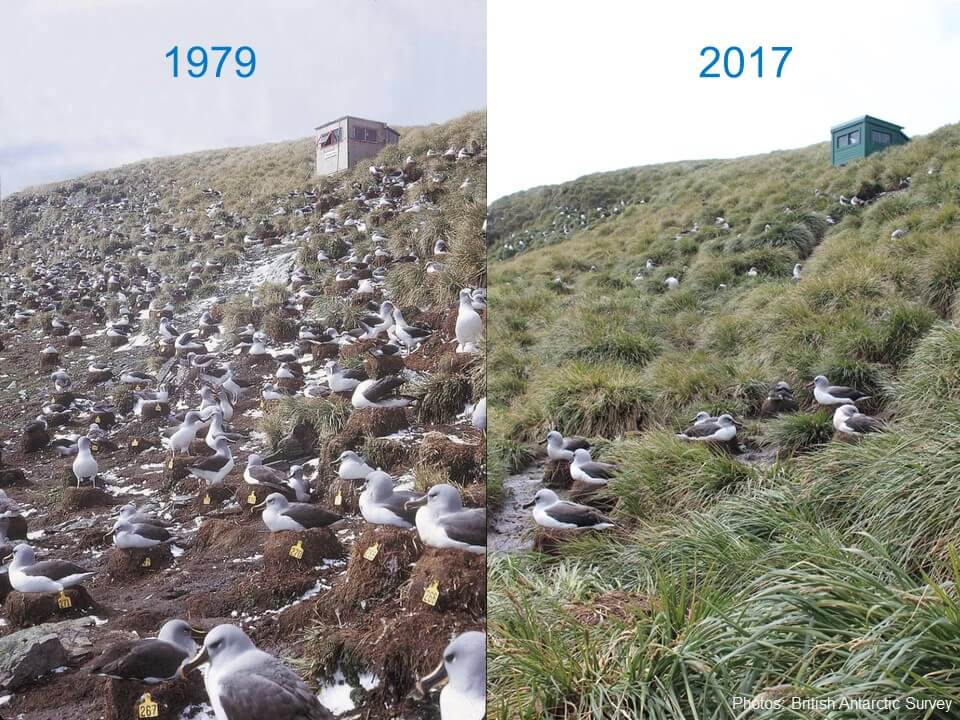
The conservation crisis facing albatrosses: a comparison of nesting Grey-headed Albatrosses taken at the same location almost 40 years apart by John Croxall
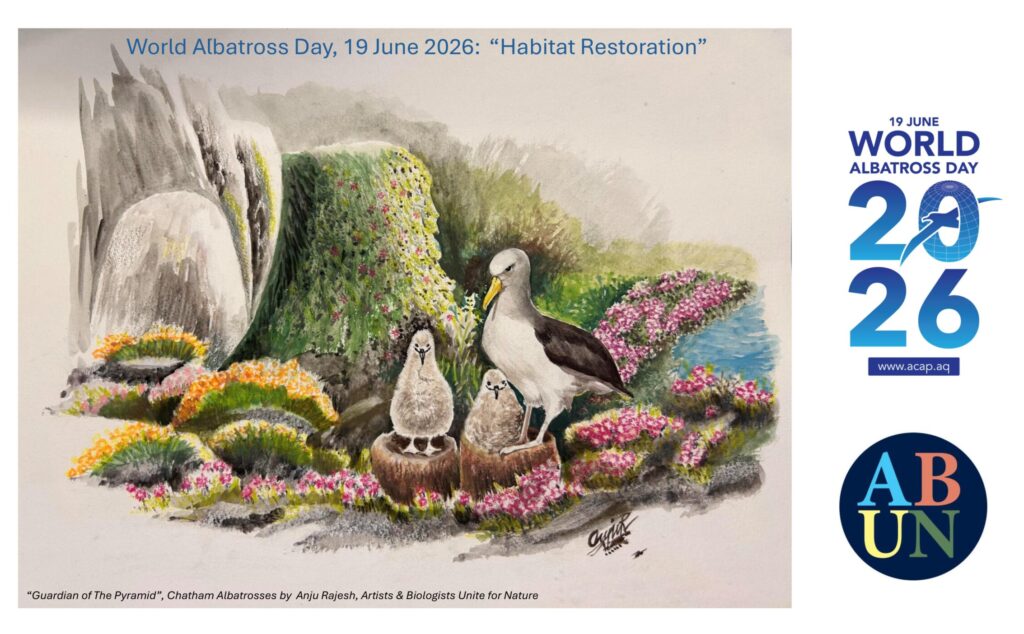
The theme of World Albatross Day 2026 is Habitat Restoration. During breeding seasons, seabirds will spend prolonged periods on land raising chicks. Colonies are subject to many pressures, including invasive species. A key management strategy that positively impacts nesting albatrosses and other seabirds is eradication of invasive species. BirdLife South Africa are a key partner and co-founder of the mouse-free Marion project, which aims to eradicate invasive house mice from Marion Island to save the island’s globally significant seabird populations and restore it’s ecosystem.
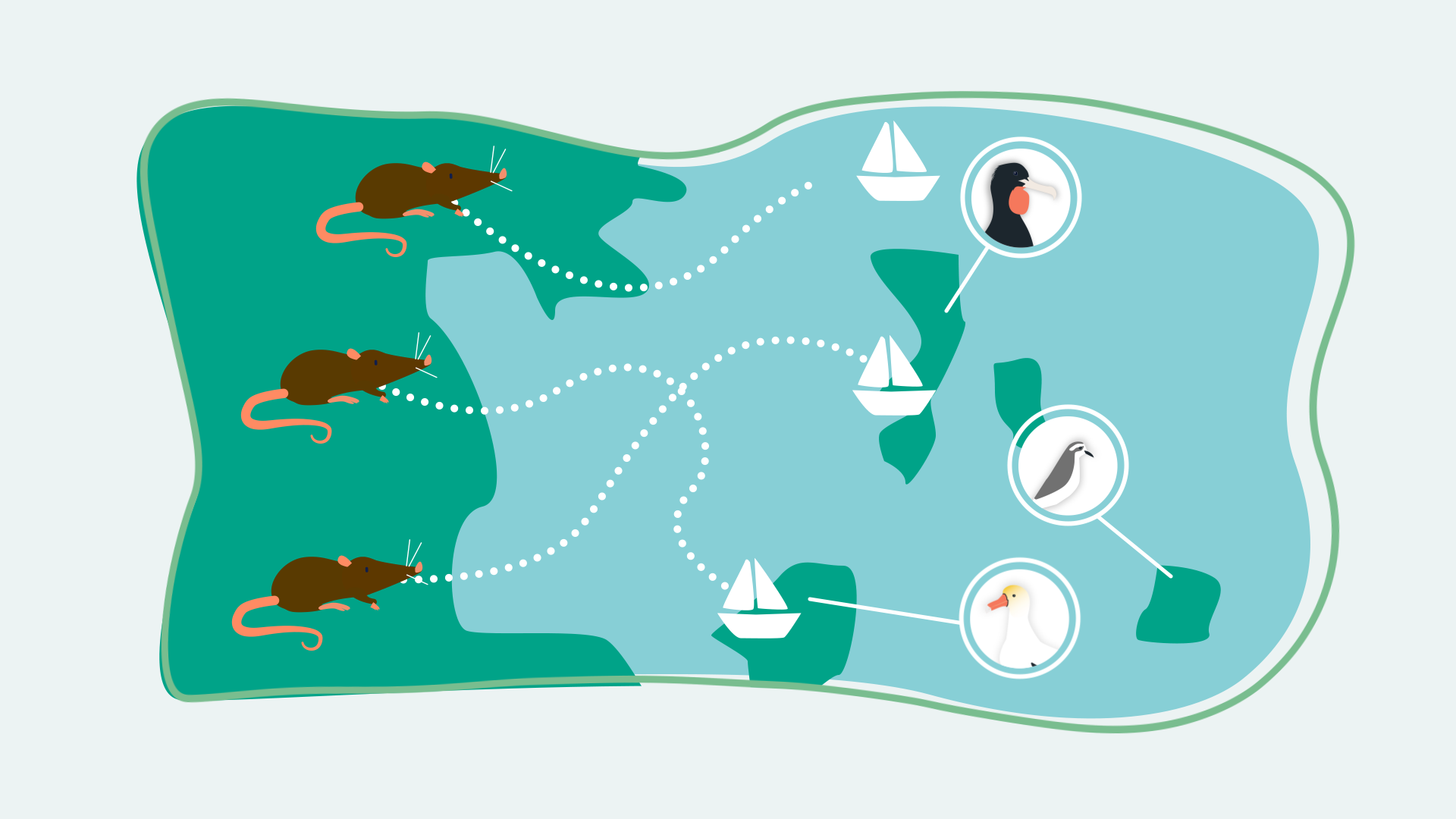
Colonies are also where tracking studies often begin: seabirds tend to be easier to capture on land (disclaimer: seabirds generally nest in very remote places and tend not to be thrilled at being captured, capture can be ‘easier’ relative to finding them in the vast oceans and deploying tracking devices there!)
Deploying tracking devices on seabirds has revealed a wealth of information, including where ACAP listed species are most at risk of being caught and drowned by fisheries in the High Seas. Since the creation of the Seabird Tracking Database in 2004 (then called Tracking Ocean Wanderers), the number of seabird tracks has grown exponentially. As of early 2026, there were >80 million locations, making the STDB the largest repository of seabird tracking data in the world.
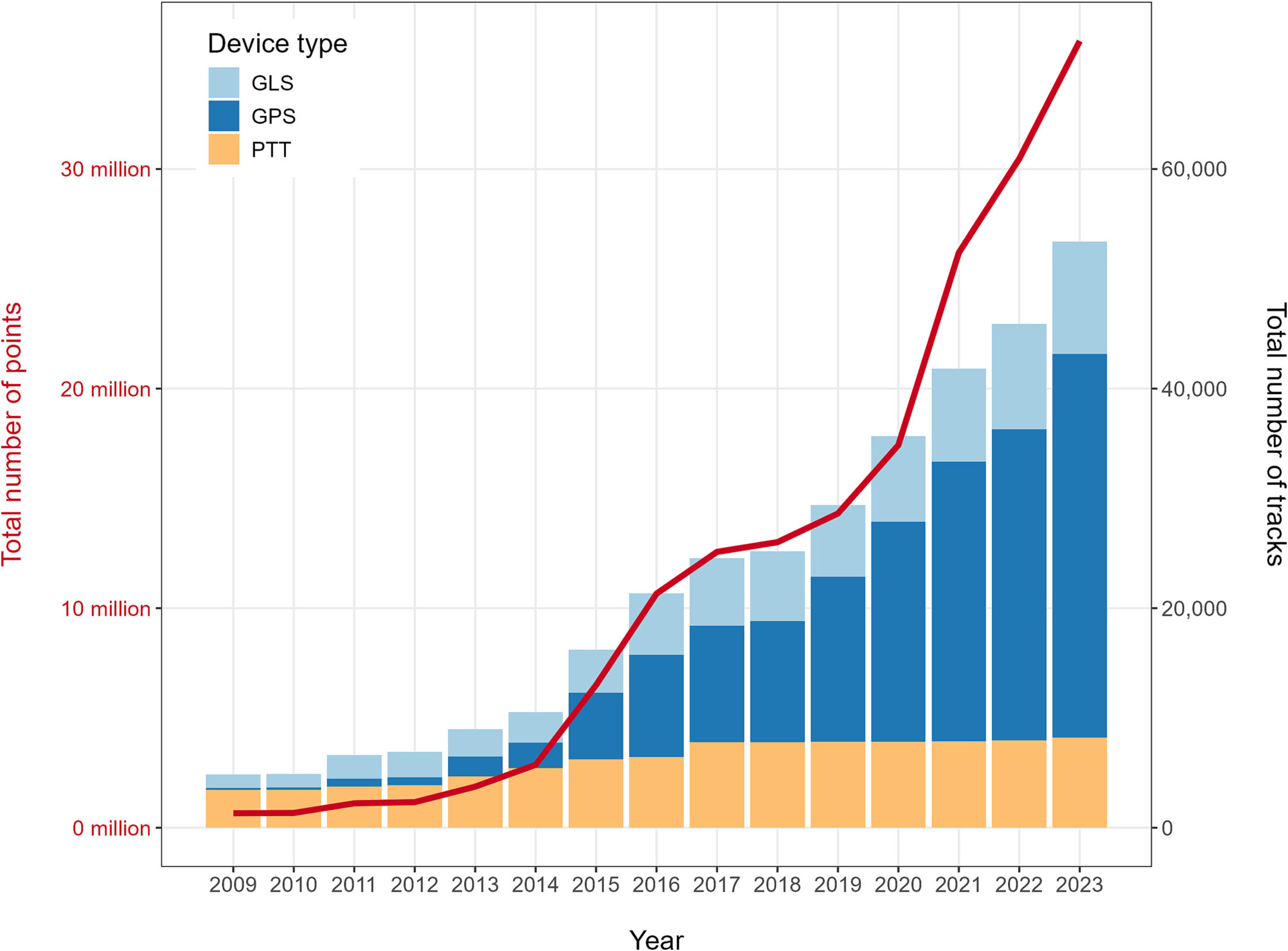
Figure 1 from Carneiro et al. 2024: trends in the amount of tracking data held in the BirdLife Seabird Tracking Database (STDB) over time
Today, the Seabird Tracking Database hosts tracking data for all 22 species of albatross, with the highest number of tracks uploaded for Black-browed Albatross – over 2800 tracks! This is followed by Snowy Albatross, formerly known as Wandering, with over 2300 tracks for this species. The albatross species with the fewest tracks in the database is the Short-tailed Albatross, a Vulnerable species that breeds in the west Pacific with a range covering the whole north Pacific Ocean.
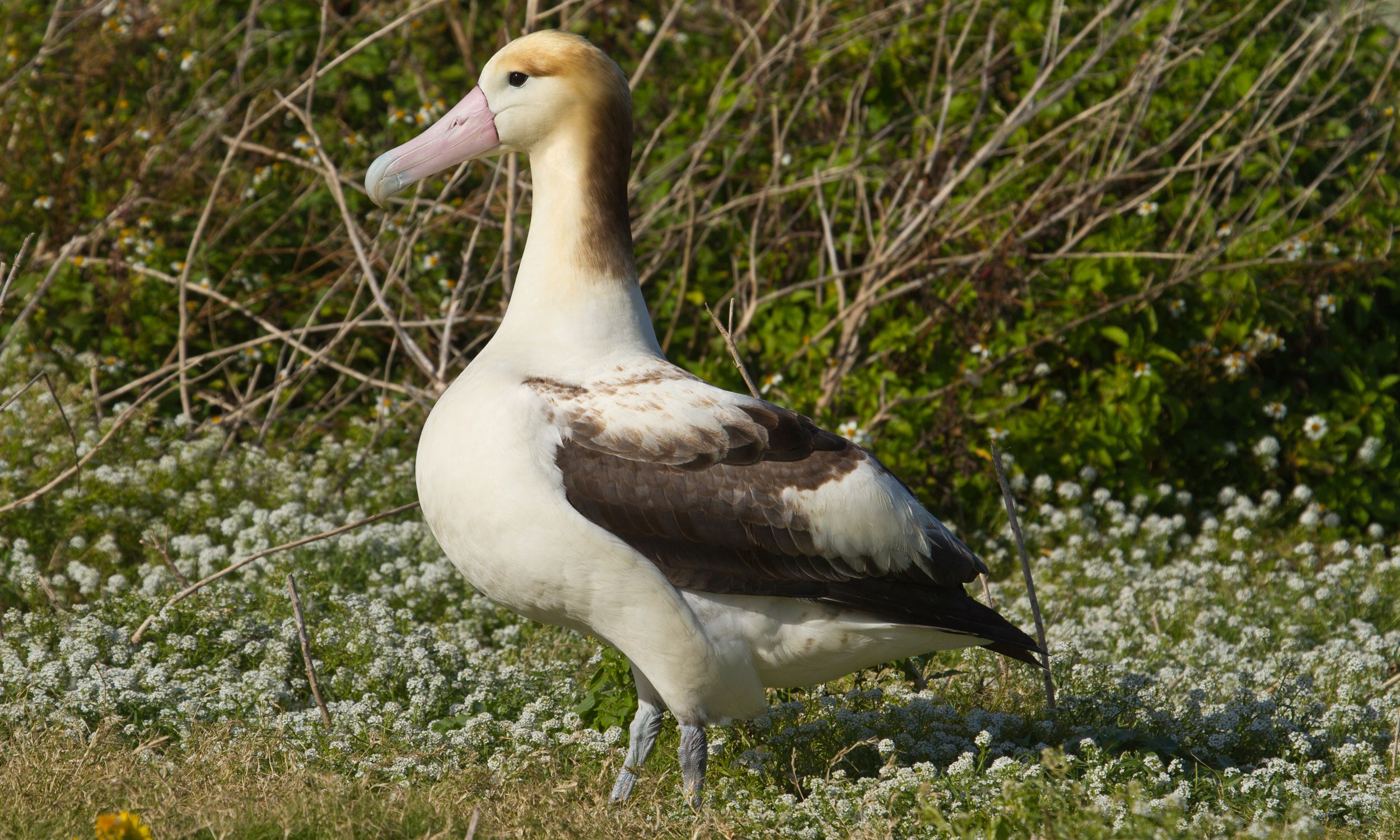
Short-tailed Albatross by Eric VanderWerf
In total the Seabird Tracking Database host over 300 albatross datasets, which equates to just under 12,000 albatross tracks, or more than 8.5 million locations! These albatrosses were tracked from 55 different colonies, in 13 different countries or territories. Fifty-eight albatrosses were also captured at sea.
Thank you to every researcher who has uploaded and shared their data with the Seabird Tracking Database.