

Welcome to the Seabird Tracking Database summary
Following the 20th anniversary of the creation of the original Tracking Ocean Wanderers database in 2024, the Seabird Tracking Database continues to grow and remains the largest repository of seabird tracking data in the world!
This year the database has undergone some important updates, which have improved functionality, user experience in key features including searching and uploading, and new options for data sharing and user profiles to ensure that the hard-won data remain available to request many years into the future. See our recent blog post for more information about these updates.
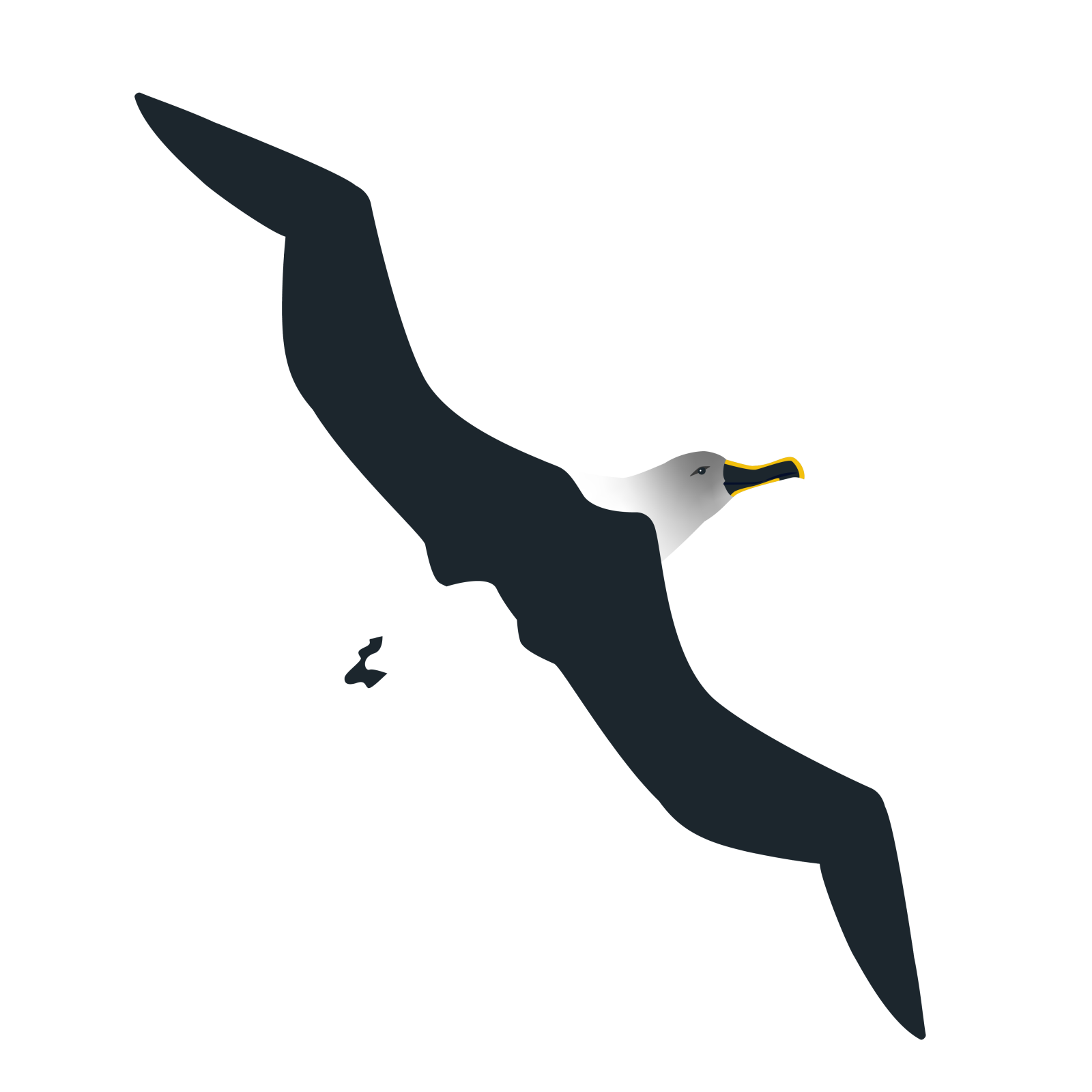
Some key numbers from this year:
- an additional 186 datasets were uploaded, bringing the total over 1600 datasets!
- these datasets included over 30 million additional locations (33,301,712 to be precise) – a 70% increase in the data bringing the total locations to over 80 million
- data from 62 species were uploaded, including 12 new species. The total number of seabird species tracked and published on the database is now 194!
- data from an additional 43 colonies were uploaded, making the total colonies tracked 545.
- Over 2000 dataset requests were submitted by more than 60 users, lots of exciting upcoming collaborations! Thank you to everyone who have uploaded and are willing to share their data 💙
Key highlights from BirdLife Marine this year include:
- the publications of the marine flyways paper and Marine Megafauna Conservation Toolkit,
- the generous donation from Global Birdfair to support our Safeguarding Ocean Species project, which aims to reduce bycatch in the Pacific,
- the High Seas Treaty coming into force after the 60th country ratified back in September,
- At the start of the year, we called for tracking data in the Humboldt Current to assess fisheries bycatch – thank you to all those who responded and watch this space for project updates,
- We are currently calling for tracking data in the Lord Howe Rise and South Tasman Sea region to support efforts to delineate marine Key Biodiversity Areas (KBAs) – please get in touch if you have any questions about this project.
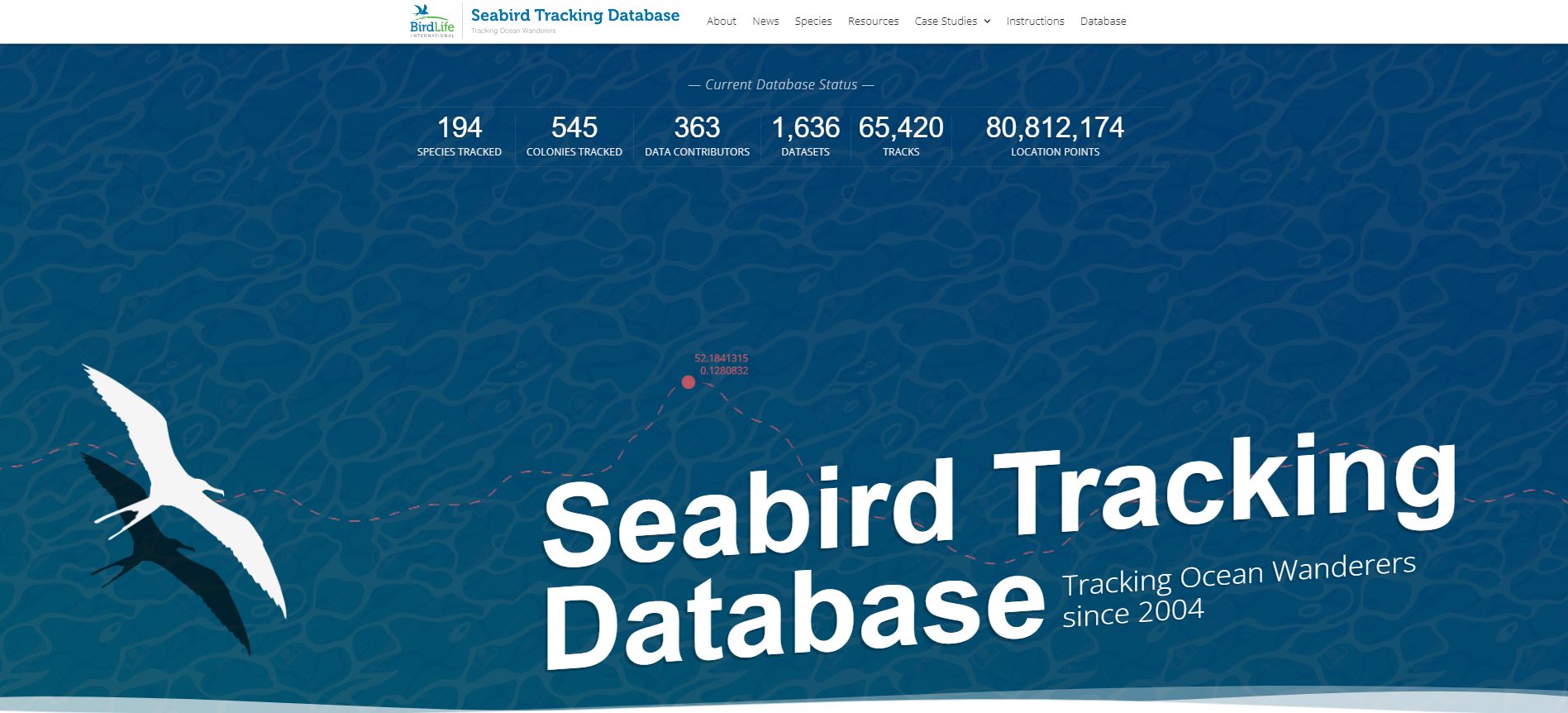
Thank you to every one of the 363 data contributers who have uploaded their tracking data. If you have any data that you would like to upload, please visit the instructions page to learn how, or contact us at seabirds@birdlife.org and we can help!